
CS2 Players
 Mongolia
 Russia
 Kosovo
 Ukraine
 USA
USA Serbia
 Belgium
 Kazakhstan
 Poland
 Belarus
 Lebanon
 Iraq
Iraq Palestine
 Bulgaria
 Denmark
 Brazil
 Argentina
 United Kingdom
 Lithuania
 North Macedonia
 czech
czech Spain
Spain Romania
 Sweden
 Uruguay
 Chile
Chile China
China Germany
 Estonia
 Turkey
 Australia
 South Africa
 Canada
 France
 Portugal
 Slovakia
 Hungary
 Norway
 Bosnia
 Jordan
 Israel
 Latuia
 Switzerland
 Guatemala
 Finland
 Montenegro
Top Counter Strike 2 Professional Players
CS2 professional players listed here represent the peak of competitive Counter Strike 2. Each name belongs to someone who treats the game as serious work, not just a hobby.
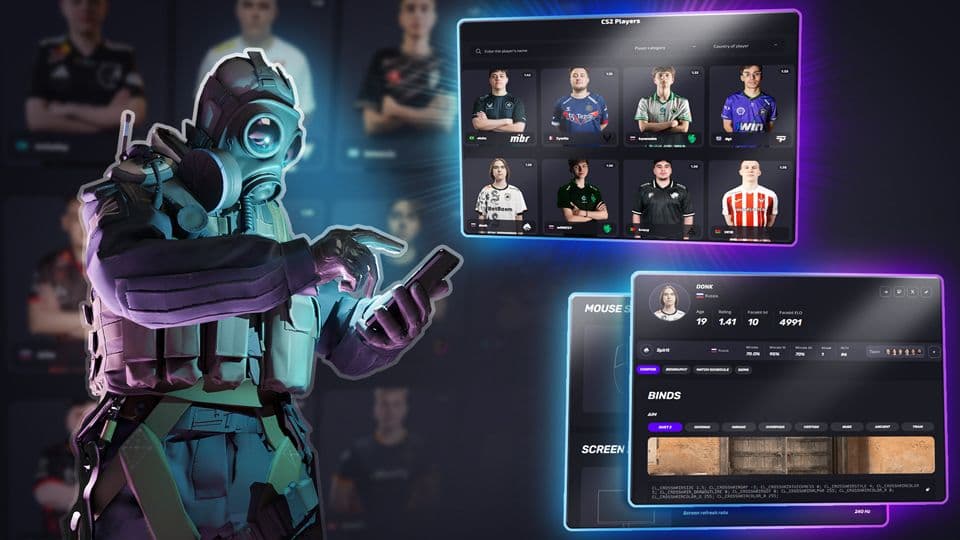
About CS Pro Players Page
This CS2 professional players section on CSSpot gathers contracted pros from every major competitive region in Counter Strike, all over the world. It is built for fans who want clear information instead of guesswork and for players who study pro habits to sharpen their own game. Each profile stays focused on results and role.
The page helps readers connect player identities, teams, and stats in one place before they dive back into matches or even check trusted case opening sites on CSSpot rating. By keeping information consistent across CS and Counter Strike 2 eras, the list stays friendly both to long-time followers and to newer spectators.
What Makes a CS Player “Professional”?
Being called a professional CS player means more than holding a high rank. A player becomes a pro once signed to an organization with salary, support staff, and regular appearances at top Counter Strike 2 and Global Offensive events. Prize money helps, yet steady performance in big tournaments matters more than one lucky highlight.
Most CS pro players start in mixed teams or academy rosters, grinding online leagues and FPL until their stats show real impact. Scouts check K/D ratio, ADR (Average Damage per Round), opening duel success, clutch percentage, and KAST across many maps, not just against weak opponents. When those numbers stay strong versus serious competition, event invites, sponsorships, and longer contracts follow.
Professional status also relies on conduct outside the server, where human reliability counts. Players communicate clearly, respond to criticism, and keep a stable connection and equipment setup. They follow platform rules, complete verification, and protect account security, since one careless action can damage both a team and a career.
Legendary CS:GO and Counter Strike 2 Players
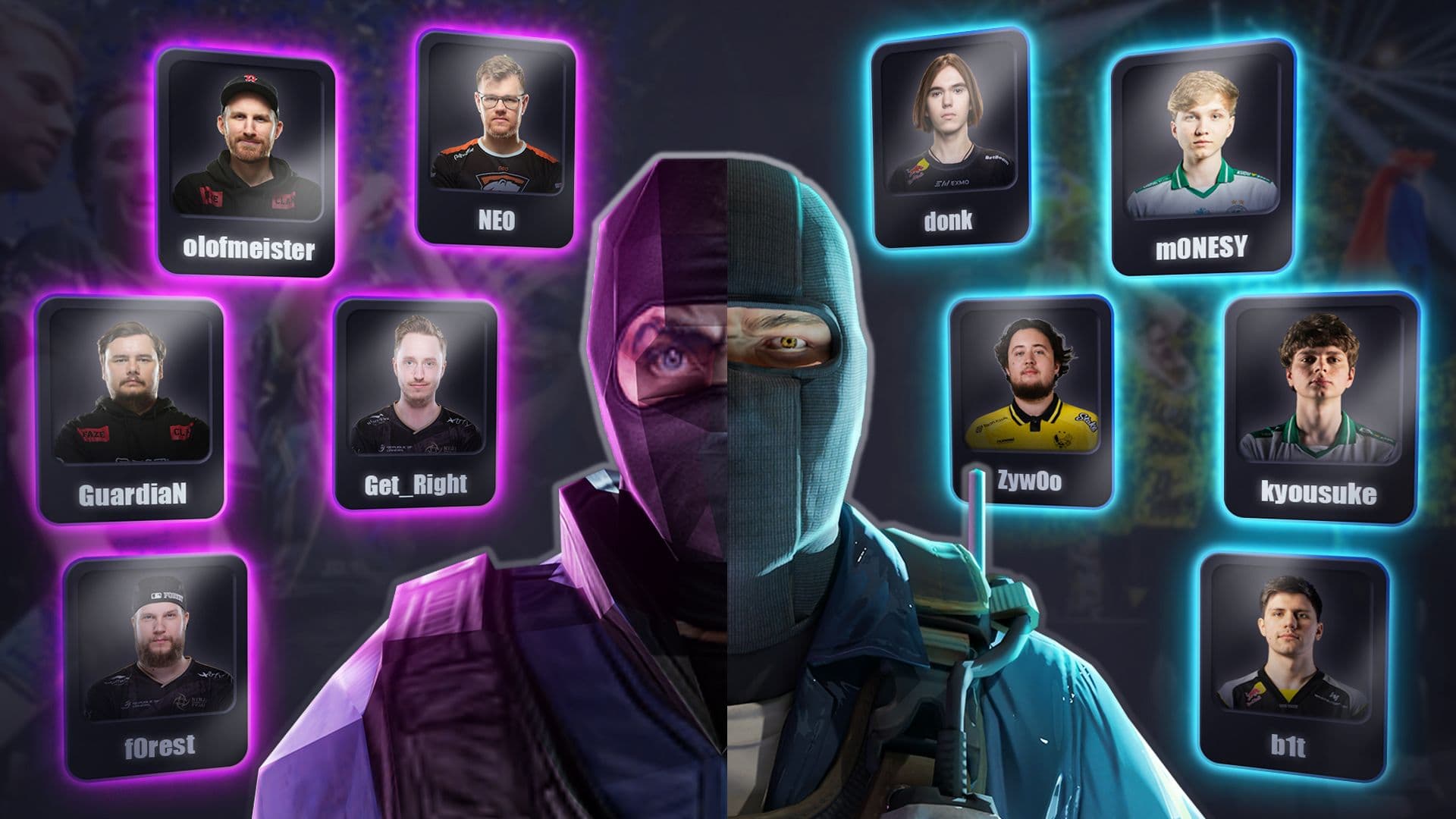
Legendary players shaped how modern CS pro players think about pacing, utility, and pressure. This part of the page highlights names whose influence stretches over multiple versions of Counter Strike, from offline halls to massive arenas. Reading about their paths helps newer players see how long-term commitment changes both style and results.
Icons of Earlier Competitive CS Eras
Many early CS legends turned raw shooting into structured Counter Strike, showing that smart decisions could break any defense. Their best years often came in 1.6 and early Global Offensive, where team play mattered more than flashy stats.
- GeT_RiGhT: iconic lurker, famous for late-round flanks that shattered site holds in elite tournaments.
- f0rest: long-term star rifler who kept top form across different CS eras and rosters.
- olofmeister: creative playmaker, remembered for bold moves on key stages and crucial maps.
- NEO: cerebral leader and clutch player from classic Polish squads that ruled many brackets.
- GuardiaN: composed AWPer whose angles and reactions locked down maps for his team.
Watching these players teaches how human game sense, patience, and communication still shape Counter Strike today. Their stories remind ambitious players that timing, utility, and trust often win more games than pure aim.
Modern Superstars and Emerging Talents
Modern CS superstars grow up on streams, demos, and tier-two leagues before stepping into full CS pro players status. Many cut their teeth in Global Offensive and then carry sharp mechanics and confidence into Counter Strike 2 stage games and high-stakes tournaments.
- ZywOo: French prodigy, explosive AWPer, already crowned among the best despite his young age.
- donk: hyper-aggressive rifler whose raw aim and fearless entries tear apart stacked sites.
- kyousuke: rising talent with strong decision-making and reliable performance in pressure games.
- m0NESY: flashy sniper who jumped from academy rosters directly into elite competition.
- b1t: precise rifler known for clean headshots and strong utility work on structured teams.
Fans studying these players see how discipline, preparation, and trust in the team support individual brilliance. Newer players who mirror their focus on communication, spacing, and timing earn steadier progress on this page instead of short, streaky peaks.
Player Roles, Stats, and Rankings Explained
Every CS2 professional player on this CSSpot page has a clear job inside the team. Roles explain why some CS pro players hunt opening duels while others lock down sites or guide tactics. When you check ratings, remember that context from role can outweigh pure damage numbers.
| Role | Core task in the game | Key things in stats |
|---|---|---|
| Entry | Takes first contact and creates space. | Opening duels, trades, ADR. |
| AWPer | Controls long lines with the sniper rifle. | AWP kills, saves, multi-kills. |
| IGL | Directs tactics, pacing, and rotations. | Impact rounds, CT/T balance. |
| Support | Sets utility and backs up stars. | Flash assists, nade damage. |
| Anchor | Holds one bombsite under pressure. | Site holds, multi-kill defenses. |
| Lurker | Works away from the pack and hits timings. | Flank kills, clutch rounds. |
These player profiles highlight measurable performance such as rating, kills, deaths, and opening impact at big tournaments. When I compare Counter Strike 2 specialists, I also weigh opponents faced and map pool before proceeding to rank them, so consistent decisions matter more than one lucky spurt.
How to Browse and Use the Players List
The CS2 professional players list is made to help fans and learners quickly find what matters. You can filter by nickname, team, role, or region to track how a specific player shifts across organizations over time. Many readers like to follow one roster closely, then compare those players to rivals across the broader scene.
If you study CS to improve your own ranked performance, avoid copying every flashy move from a superstar without context. Instead, focus on simple habits such as crosshair placement, trading with your team, and basic utility ideas that repeat across matches. By doing that, you learn stable fundamentals that still hold value from Global Offensive into Counter Strike 2.