




Our Choice

GGDrop
5 games
ApplePay
MIR
SkinPay
+2

HyperDrop
6 games
ApplePay
MIR
SBP
+3

MYCSGO
6 games
ApplePay
Cards
MIR
+3

After years of waiting, Cache is officially back in Counter-Strike 2. Valve’s latest update brings the classic map into regular play, adds several smaller map tweaks, and continues polishing CS2’s animations and sound. Load up a server, clear Forklift, and take a fresh look at one of Counter-Strike’s most familiar battlegrounds.
Cache is now available in several regular CS2 modes, giving players room to learn the reworked version before any bigger map-pool decision happens. For now, Valve has added it to:
Cache has not been added to Premier or the Active Duty pool yet. Instead, Valve is letting the map settle in core modes first, where players can test angles, callouts, executes, and rotations at a lower pressure level. For a map with this much Counter-Strike history and a lot of changes, that slower return is reasonable.
Cache remains a map built around clean structure, fast decisions, and heavy mid control. A-site fights near Forklift, mid duels that open rotations, and late B hits with tight utility will feel familiar to longtime players, while newer CS2 fans should be able to read the layout quickly.
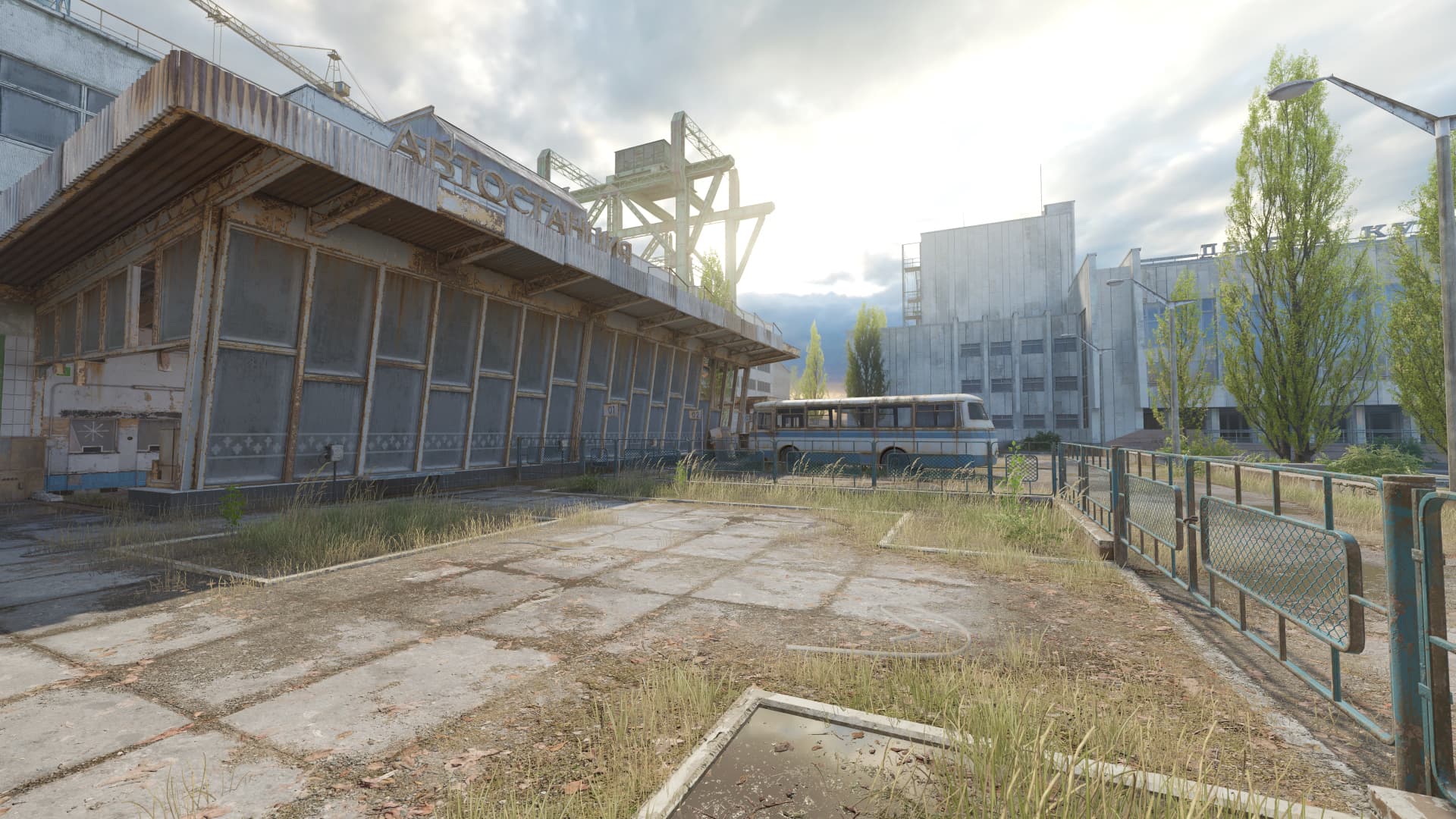
The biggest gameplay change on Cache is the removed mid window. In the older version, that angle gave players extra vision across mid and had a real impact on how teams fought for control, used boosts, and reacted to fast pressure.
Valve also made several smaller map updates alongside Cache’s return:
Early performance tests for Valve’s Cache build look encouraging, especially for players who care about stable frames during utility-heavy rounds. In testing shared by ThourCS2 and reported by BO3, Valve’s version was compared with FMPONE’s Workshop version at 1080p, with Reflex enabled and 2x MSAA.
| Cache version | Average FPS | 1% lows |
|---|---|---|
| Valve build | 726 FPS | 388.3 FPS |
| FMPONE Workshop version | 592.7 FPS | 294.4 FPS |
Valve’s Cache showed a 22.5% higher average FPS and a 31.9% improvement in 1% lows. For most competitive players, that second number is the one to watch. Stronger 1% lows usually mean fewer sudden frame drops when the round gets chaotic.
If these early results hold up, Valve’s build should feel smoother in the exact moments where CS2 players need clean tracking and quick reactions.
Valve also made several smaller fixes aimed at the everyday feel of CS2. These changes are not as flashy as a map release, but they matter during real rounds, especially when movement, sound, or weapon handling feels slightly off.
The update includes: