FAQ
- 01How does glove crafting work through a Trade Up Contract?[ + ]
- 02How do you make the contract “for gloves,” not for knives?[ + ]
- 03Why does everyone focus on float instead of “condition” (FN/MW)?[ + ]





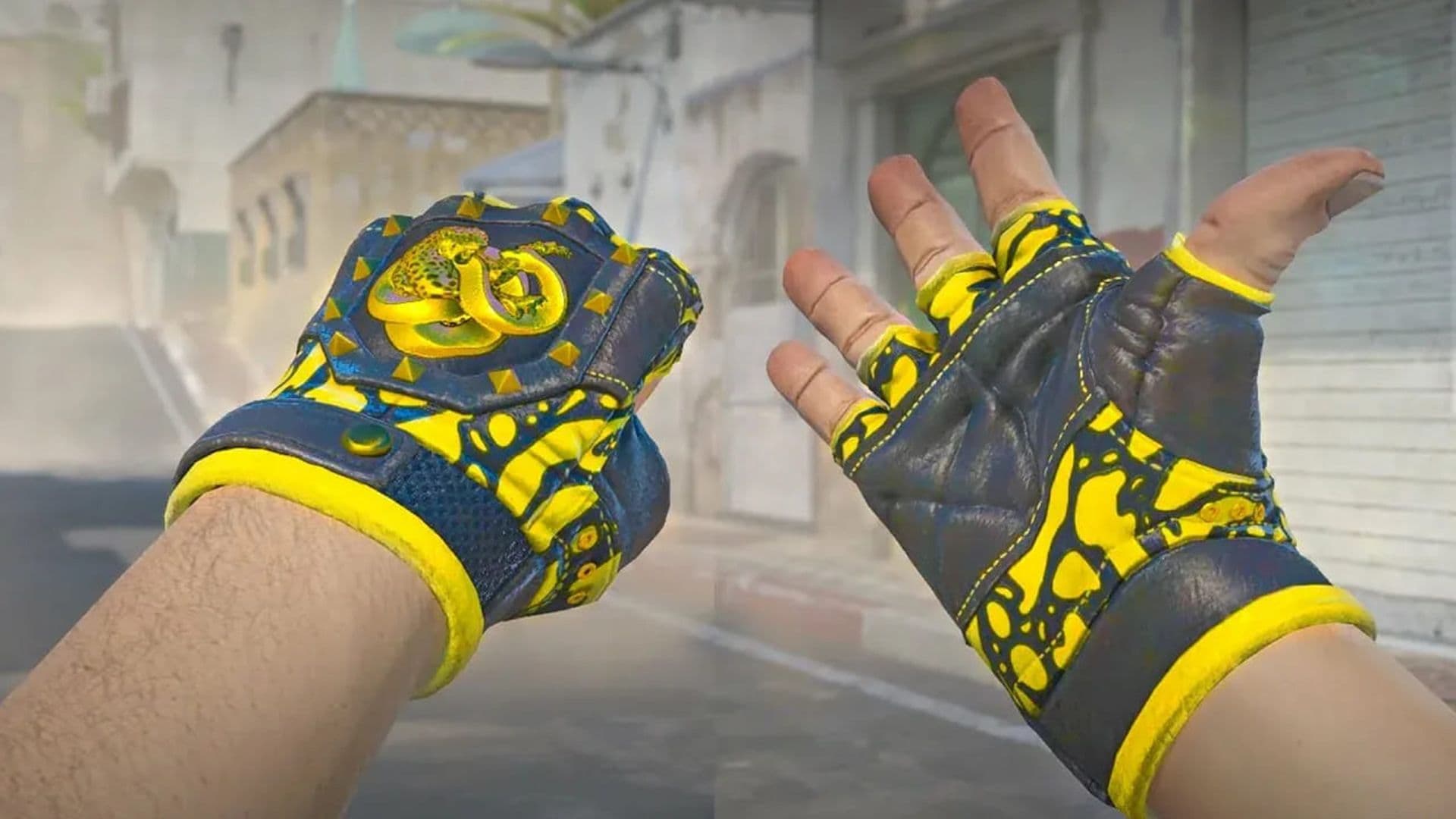
Crafting gloves in CS2 isn’t about opening cases or pure “luck / no luck.” It’s about the Trade Up Contract, where you turn expensive skins into one even rarer item. Since late October 2025, CS2 has had a separate contract mode: you can trade 5 Covert skins for a knife or gloves.
Gloves are one of the most stylish items in the game — and you’re staring at them all the time. So crafting is always about economy, risk, and doing the math if you want to level up your inventory.
Knives and gloves in CS2 sit in the same “rarest / gold” tier: rare special items. But in trade-ups, there are a few key differences, which is why glove contracts are built differently.
In short: with knives, you usually run into StatTrak and the knife pool; with gloves, it’s about picking the right cases and controlling wear.
If you want crafting to be clear and as predictable as possible, it’s better to build a contract around a specific glove pool right away, instead of mixing everything. Fewer surprises, easier math.
Follow this algorithm to craft gloves:
After the contract, it’s worth checking the result float right away (and comparing it to market prices), because the price gap between “almost Factory New” and “already closer to Field-Tested” gloves can be huge.
A profitable glove craft isn’t “buy cheap and pray.” What matters is understanding the average return of the contract: what drops most often, how it sells, and how much wear cuts the price. In 2026, this got even more important, because after contract changes and market movement, prices for “reds” and “gold” can swing a lot.
Before building a contract, people usually check a few things — easiest way is to keep it in a table.
| What to check | Why it matters | What to look at in real life |
|---|---|---|
| Input cost | You understand what one attempt really costs | Price of 5 needed Coverts + fees; if you’re not buying through the market, factor in hold time / resale speed |
| Result pool | You avoid contracts where half the drops are “meh” | Which exact gloves can drop from the chosen pool, and how liquid they are (how fast they sell and what discount they need) |
| “Jackpot” chance | You figure out if it’s even worth playing this contract | Share of the most expensive models in the pool, and how much their price depends on float (for gloves, this often decides everything) |
| Expected Value (EV) | This is the foundation: without EV you’re just guessing | Estimate the average result price based on pool odds and compare it to the input cost |
| Wear sensitivity (float) | You see how much the contract “breaks” if you don’t get a great float | Which gloves lose a lot of value with worse float; consider each model’s float ranges and how the final float is calculated from inputs |
After you estimate EV, it’s smart to budget for “bad RNG” right away: even if the math looks good, a streak of weak drops over time is totally normal.
In 2026, people most often pick cases where the rare slot is gloves, then look for the right Coverts for the contract. That gives you the clearest “glove” pool and fewer weird branches.
Below are the cases usually considered first:
One more note on how “obtainable” cases are: in early 2026, tracker data and niche media made it noticeable that rare/older cases have almost disappeared from weekly drops, and that affects the prices of input items.
Glove crafting is expensive, and most losses don’t come from “bad luck,” but from bad prep. Most often, mistakes happen because the contract is built “by eye.”
The most common misplays look like this:
The more expensive the input is, the more important it is to calculate everything in advance and not chase a pretty glove screenshot in your inventory.
Crafting isn’t the only way to get gloves, and in many cases it’s not even the most logical one. If your goal is a specific model and a specific wear, the direct route is often easier and calmer.
Here are the options people usually choose instead of crafting:
If your goal is “gloves without the swings,” buying almost always wins for your nerves — except for the cases where you’ve done the math, you’ve got a clear pool, and you’re ready to take a loss if the drop turns out unlucky.