
FAQ
- 01What skins do you need for a knife contract?[ + ]
- 02How much is the cheapest contract in 2026?[ + ]
- 03Which cases most often have the lowest entry point for knives?[ + ]

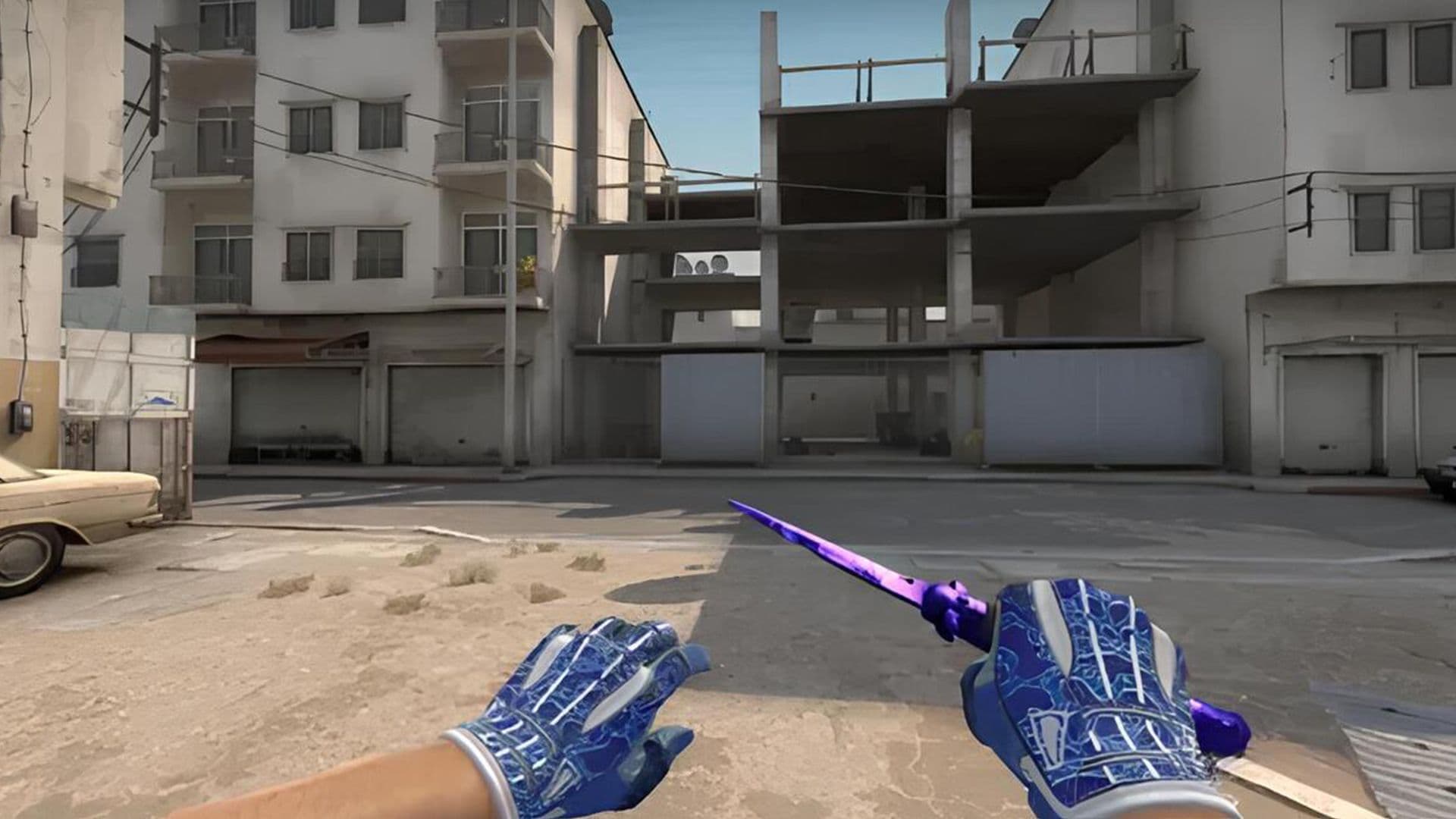
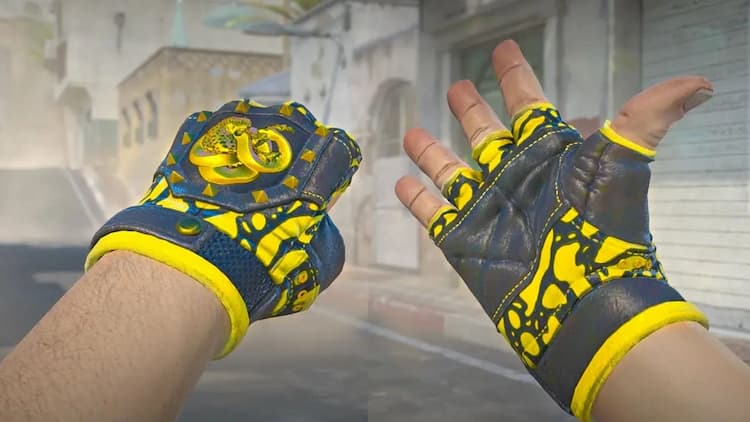
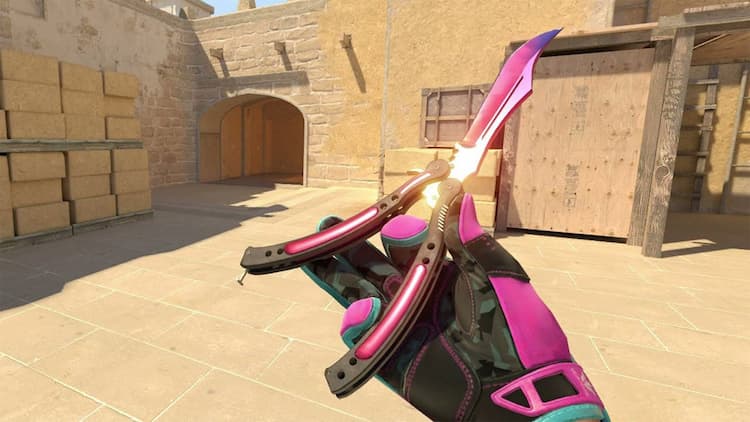
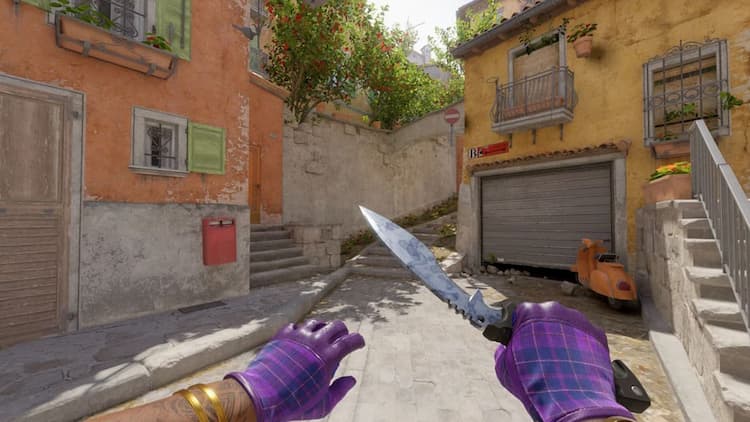
In CS2 in 2026, the “cheapest knife craft” isn’t buying a knife on the market — it’s getting one through a Trade Up contract for “gold.” You give up a few red (Covert) skins and get one gold item back. That gold item can be a knife or gloves — it depends on the case/collection you build the contract from.
After the late-2025 updates, CS2 got a separate contract for the rarest items: you can trade 5 Covert skins via a Trade Up contract and get one knife/gloves. If all five skins are StatTrak, the result will be a StatTrak knife (StatTrak gloves don’t exist).
The biggest thing is the collection lock. Most of the time, it’s better to use 5 reds from the same case (collection) to shrink the pool of possible knives/gloves. If you mix different cases, the pool gets bigger, and your chance to hit the exact thing you want goes down.
Wear matters too. The float of the output item is calculated from the floats of the skins you put in, so “clean” skins (Factory New / Minimal Wear) give you a better shot at a nicer condition — but they cost more.
Red-skin prices move all the time, so the “cheapest trade-up” is always about what’s cheap right now. But in early 2026, budgets usually get decided by cases where one of the two red options is noticeably cheaper than the rest.
Three picks that usually have a low entry point specifically for knives (not gloves) — as long as red prices haven’t spiked:
Important: those numbers are just a rough “minimum” based on buying the cheapest Covert skins at the time of analysis. Before you craft, you should still do a quick price check for skins from your chosen collection.
The idea behind a budget trade-up is simple: find a knife case where reds are relatively cheap, then buy 5 of them for the contract. After that, you just need to calculate the entry properly and remember fees.
Here’s a working approach that saves time and cuts down mistakes:
If your goal is a specific knife or a specific pattern, Trade Ups usually aren’t the most direct path. This contract is best when you want a “shot at gold” with a clear budget, without opening dozens of cases.
In 2026, a “cheap trade-up” almost never means $50–100: reds got noticeably more expensive after knife contracts showed up. In practice, the minimum entry more often starts around ~$140–180 for 5 reds in cases that have an affordable Covert option (and the price climbs if you buy cleaner floats, or if a specific red gets scarce).
Also, remember: the contract doesn’t give you a “chosen knife.” It gives you a random item from the linked pool. You can roll a not-so-expensive option, or something that won’t cover your entry cost when you sell it.
Crafting a knife through a contract isn’t “easy money” — it’s risk. To avoid surprises, it helps to keep a few things in mind upfront.
Here’s what most often breaks the math, even for experienced players:
A good rule: if you’re doing this for the vibes, count the money as “spent on entertainment.” If you’re doing it for resale, do the math cold — and leave yourself a buffer.
If your goal is simply to get a knife and not rely on RNG, the most direct option is still the same: buy a knife on the market or trade for it. A contract is always a gamble, even if the entry looks “cheaper” than buying.
For people who still want to spin the wheel but see the conditions upfront, there are trusted platforms with cases and upgrades that usually show odds and possible outcomes. Just be careful when picking a service: check reputation, fees, withdrawals, and rules.